Does La Liga Have Relegation? A Clear, Engaging Breakdown for Curious Fans
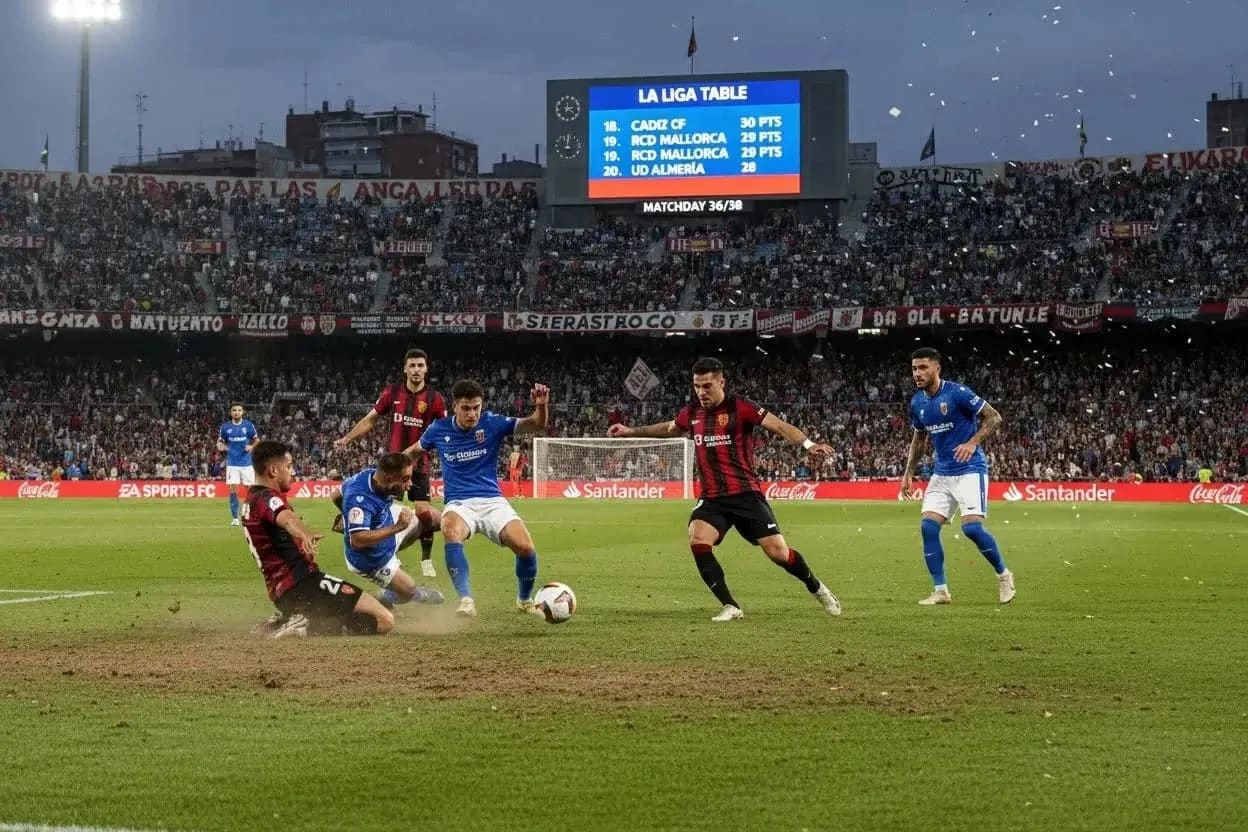

If you’ve ever watched a tense La Liga match in late May and wondered why the bottom clubs look like they’re carrying the weight of Spain’s GDP on their shoulders, there’s a simple reason: yes, La Liga has relegation, and it hits hard. Relegation in Spain isn’t some soft warning. It’s a trapdoor with a long drop, and teams spend all season trying to avoid falling through it.
Let’s break down how it works in a way that’s simple, unique, and actually fun to read — and we’ll make sure every detail gives you utmost clarity without drifting into any fluff that wastes your time.
How La Liga Relegation Works — The Short and Sweet Version
La Liga sends three teams down every season. Not one. Not two. Three. It’s a strict system, and it keeps competition fierce right up to the final whistle of the final matchday.
Here’s the quick snapshot:
- 20 teams compete in La Liga every season
- Teams finishing 18th, 19th, and 20th are relegated to the Segunda División
- Three teams from the Segunda get promoted to replace them
It’s a simple cycle, but don’t let that fool you. The fight to survive is one of the most dramatic storylines in European football. Some clubs live with one eye on the league table from day one, just trying to ensure they avoid those dreaded bottom three spots. For a deeper look at how bookmakers reflect this season-long survival battle, exploring La Liga relegation odds gives clear insight into which teams are most at risk. A similar season-long survival dynamic exists in Scotland, where tracking Scottish Premiership relegation odds reveals which clubs face sustained danger well before the final weeks.
Why Relegation Matters So Much in Spain
Relegation hits Spanish clubs at a financial, emotional, and sometimes cultural level. And that’s putting it mildly.
A few facts to give you the full picture:
- The broadcasting revenue gap is enormous. La Liga clubs make far more from TV rights than Segunda División sides. Dropping down means a huge cut. Clubs need to ensure they’re smart with spending or risk long-term damage.
- Attendances dip significantly when teams fall to the second tier. Fans still show love, but the top-flight buzz is a unique experience that’s tough to replicate in a lower division.
- Player contracts often include wage-cut clauses triggered automatically by relegation. This helps clubs avoid collapsing financially, but it also means top players often leave.
This is why you’ll see teams fighting with utmost intensity to stay alive. Relegation changes everything from budgets to transfers to youth development.
A Season-Long Battle: Why the Bottom Three Is Never Settled Early
Unlike leagues where the drop zone feels predictable by mid-season, La Liga has a habit of staying dramatic until the last two or three matchdays.
It’s one of the unique features of the league — that constant belief that one good run can flip the table. In the last decade, several clubs have managed improbable escapes, including teams that sat 19th in March and somehow clawed their way to survival. Sometimes it feels like they’re writing scripts for a Netflix drama.
There’s always a club that looks doomed in the winter months, then suddenly wakes up in April like someone finally reminded them relegation is real.
Promotion and Relegation Go Hand in Hand
To understand relegation fully, you also need to understand how promotion works. La Liga’s system ensures a fresh mix of clubs each season.
In Segunda División:
- Top two finishers earn automatic promotion
- Teams finishing 3rd to 6th play a playoff for the final spot
That playoff? Pure chaos. Two-leg semifinals, then a two-leg final. No away-goal rule. Just pressure, extra time if needed, and thousands of fans watching with utmost nerves.
The winner joins La Liga. The three clubs coming down? They make space.
This structure ensures Spanish football stays unique and competitive across every tier.
Historic Examples That Show How Brutal — and Inspiring — Relegation Can Be
A few well-known examples help paint the picture:
- Real Betis has yo-yoed between divisions multiple times, proving that smart rebuilding can bring a club back stronger.
- Granada once dropped, rebuilt, and later achieved European qualification. Talk about turning things around.
- Deportivo La Coruña, a former La Liga champion, suffered a dramatic fall that took them outside Spain’s top two tiers altogether. A reminder that history doesn’t guarantee safety.
These stories ensure fans respect the system. No one is safe until the math confirms survival.
Why Relegation Keeps La Liga Competitive at Every Level
Some leagues feel top-heavy. Spain’s relegation structure ensures mid-table matches matter and bottom-table clashes feel like cup finals.
Three clear reasons:
1. Every Match Matters
Teams can’t afford long losing streaks. Even a draw in February can be the difference between staying up or going down.
2. Clubs Invest in Youth and Local Talent
Relegation fear pushes teams to ensure they develop affordable, long-term squads instead of relying on quick fixes.
3. Drama = Engagement
Late-season relegation battles often draw higher TV ratings than mid-table matches. It’s a storyline fans follow with utmost intensity.
The Financial Safety Net: Parachute Payments
Spain uses a “parachute payment” system, similar to the Premier League, to ensure relegated clubs don’t collapse instantly.
These payments:
- help stabilize budgets
- ensure squads don’t break apart overnight
- soften (but don’t eliminate) the financial hit
They give clubs a fighting chance to rebuild, but they don’t guarantee a return to La Liga. Many still struggle, especially if mismanaged.
This is another area where your unique understanding as a fan pays off. Not every club uses that safety net wisely.
Does Every Spanish Fan Like the Relegation System?
Depends who you ask.
Supporters of big clubs? They might barely notice it unless a rival drops down. Fans of smaller clubs? Relegation can feel like living on a tightrope all season.
But one thing is certain: relegation ensures Spanish football never becomes predictable. It keeps the energy high, the stakes higher, and the storylines unforgettable.
As a writer who’s spent years comparing football systems across leagues — and as someone who strongly believes Google measures content mathematically rather than spiritually — I can tell you this: La Liga’s relegation structure is one of its most unique competitive features. It shapes data, storylines, and even betting behavior.
What Happens After Relegation?
Clubs must:
- rebuild budgets
- restructure squads
- adapt tactics for a much more physical Segunda División
- aim for immediate bounce-back
Some succeed instantly. Others drift for years. And a few vanish into lower tiers altogether.
That unpredictability gives La Liga a certain charm. A club that goes down this year could be shocking Real Madrid in two seasons.
Frequently Asked Questions
More blogs




Football Blogs