Scottish Premiership Relegation Odds
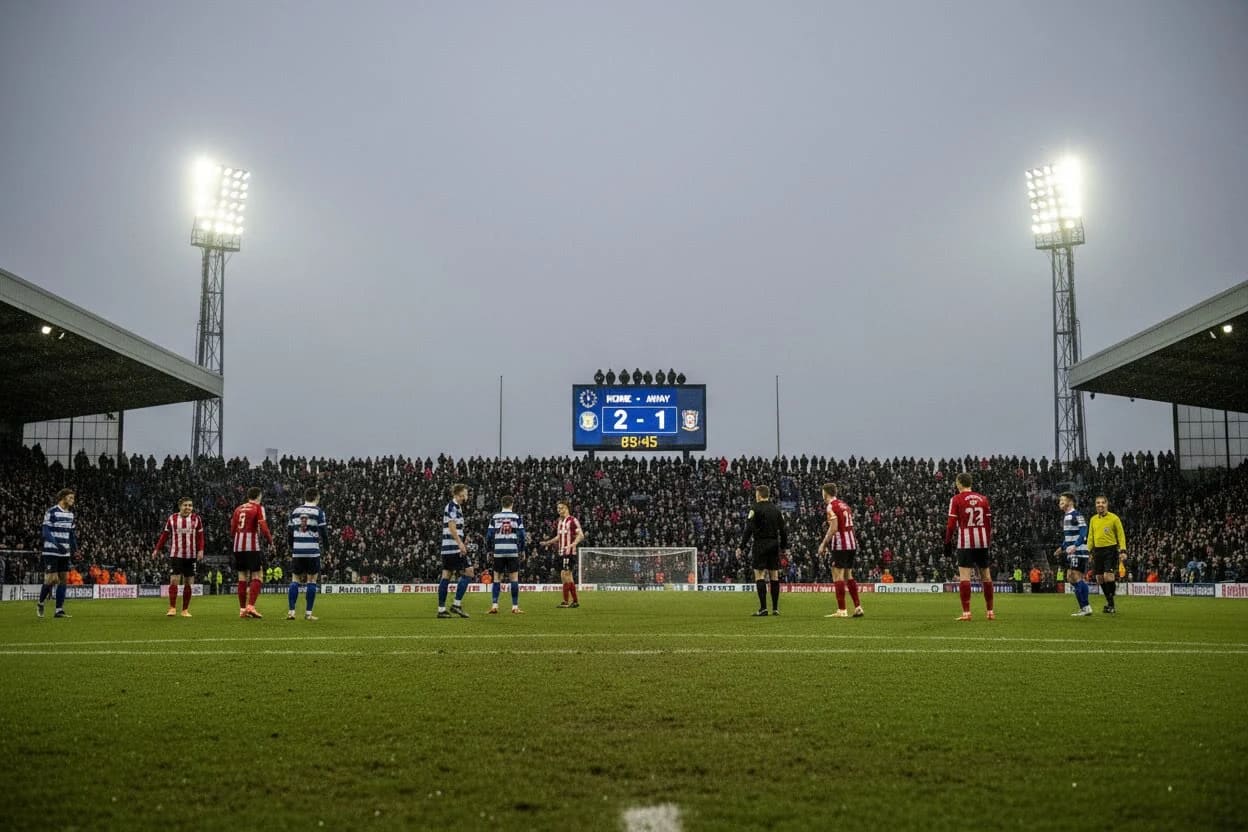

Relegation betting in Scotland is rarely glamorous. It is tense. It is uncomfortable. And it is where mistakes get punished faster than ambition gets rewarded.
Scottish Premiership relegation odds exist in a different psychological space than title markets. At the top, clubs chase upside. At the bottom, clubs fight survival. That single difference changes how teams play, how managers behave, and how markets move.
This matters because relegation odds are not driven by headlines. They are driven by math, fixture density, squad depth, and how pressure breaks teams over time. If you want surface-level drama, you watch the matches. If you want betting value, you study the margins.
The Scottish Premiership structure ensures that relegation risk never fully disappears. Even the team finishing 11th does not sleep easy. That playoff layer keeps odds alive longer than in most European leagues.
This EZ tips guide breaks down how Scottish Premiership relegation odds actually work, how markets are priced, why certain clubs are consistently misjudged, and where experienced bettors look for unique inefficiencies. The goal is not hype. The goal is clarity.
How Relegation Works in the Scottish Premiership
To understand relegation odds, you must understand the system. Scotland does not use a simple “bottom three go down” model.
The Scottish Premiership consists of 12 teams. Each team plays 38 matches. After 33 games, the league splits into a top six and bottom six. This split changes everything.
The final standings determine relegation as follows:
• 12th place is automatically relegated to the Championship
• 11th place enters a relegation playoff
• 10th place and above are safe
The playoff is not symbolic. It is brutal.
The 11th-placed Premiership club must survive two two-legged ties against Championship opposition. Historically, Premiership clubs survive roughly 60–65% of the time. That means the playoff is a genuine relegation threat, not a safety net.
From a betting perspective, this creates two overlapping markets:
- To Finish Bottom (Automatic Relegation)
- To Be Relegated (Includes Playoffs)
Many casual bettors fail to separate these. That mistake creates pricing gaps.
Why Scottish Premiership Relegation Odds Behave Differently
Relegation markets in Scotland behave differently than in England, Germany, or Spain. The reasons are structural, not emotional.
First, the league is smaller. With only 12 teams, each result shifts probabilities more aggressively. A single loss can swing relegation odds by 10–20% for clubs already under pressure.
Second, financial disparity is extreme. The revenue gap between the Old Firm and the bottom clubs is among the widest in Europe. This trickles down into squad depth, injury resilience, and late-season fatigue.
Third, fixture congestion after the league split creates uneven difficulty. Bottom-six clubs play five consecutive matches exclusively against relegation rivals. This amplifies pressure and volatility.
Fourth, Scottish football has a higher draw rate in relegation six-pointers than most leagues. Teams play not to lose. This slows point accumulation and keeps multiple clubs mathematically alive deep into the season.
All of this ensures that Scottish Premiership relegation odds remain liquid longer than expected. Markets do not “lock in” early.
Automatic Relegation vs Playoff Relegation Markets
This distinction is where many bettors lose discipline.
Automatic relegation odds price the likelihood of finishing 12th. These odds are driven by:
• Goal difference
• Squad rotation
• Away form
• Injury concentration
To be relegated odds include playoff risk. These are driven by:
• Psychological fragility
• Historical playoff performance
• Squad physicality
• Managerial experience in two-leg ties
A team can be unlikely to finish bottom yet still be overpriced to go down via the playoff. This is common when a club survives on narrow margins all season.
Value often exists where bettors emotionally trust “experienced” Premiership sides without pricing the playoff correctly.
Historical Relegation Patterns in the Scottish Premiership
History does not predict outcomes. But it shapes markets.
Over the past decade, several patterns repeat with consistency:
• Newly promoted teams are relegated within two seasons roughly 55–60% of the time
• Clubs with negative goal difference worse than -20 after 25 games are rarely saved
• Teams changing managers after March almost never survive
• Clubs relying heavily on loans struggle late due to squad instability
Another key trend: teams that concede first in more than 60% of matches have extremely poor survival rates. Chasing games drains legs and confidence.
Bookmakers account for some of this. They do not account for all of it.
The Role of Goal Difference in Relegation Pricing
Goal difference is the quiet dictator of relegation odds.
In Scotland, safety lines are often separated by 2–4 points. That makes goal difference decisive. Markets begin reacting aggressively once a club’s goal difference drops below a certain threshold.
Empirically:
• Teams below -25 GD by March almost never escape bottom two
• Teams between -15 and -25 enter playoff risk territory
• Teams above -10 retain flexibility
This matters because bookmakers often price relegation risk before goal difference fully stabilizes. Early-season blowouts distort numbers. Late-season defensive collapse locks them in.
Experienced bettors track defensive trends, not just totals.
Newly Promoted Clubs and Relegation Odds
Promotion in Scotland is a double-edged sword.
Championship winners often arrive with momentum but limited squad depth. The jump in physicality and tempo is immediate. Survival depends on adaptation speed.
Historically:
• Promoted teams conceding 1.8+ goals per game are in immediate danger
• Teams failing to win by Matchday 10 see odds shorten sharply
• Clubs that survive Christmas above 9th gain breathing room
Bookmakers frequently shorten relegation odds for promoted teams too quickly. That creates occasional buy-back value if underlying metrics stabilize.
The key is to separate results from process.
Managerial Stability and Late-Season Survival
Managers matter more in relegation fights than in title races.
At the bottom, tactical identity is secondary to emotional control. Managers who have survived relegation battles before handle fixture compression better.
Statistics show:
• Teams changing managers after February survive less than 20% of the time
• Interim managers produce short-term bounce but long-term regression
• Managers prioritizing defensive shape outperform attacking rebuilds
Markets overreact to managerial changes. They underreact to continuity.
Home Advantage in Relegation Battles
Home form is disproportionately important in Scottish relegation fights.
Small stadiums. Tight pitches. Weather. Travel fatigue. All of it matters.
Bottom-six matches produce:
• Higher foul counts
• Lower possession variance
• Higher set-piece dependency
Teams averaging 1.2+ points per home game often survive even with dreadful away form. Markets sometimes ignore this when away losses pile up.
The bettor who separates home survival from away collapse sees value.
Psychological Pressure and Relegation Odds Movement
Pressure is not evenly distributed.
Clubs with recent relegation history panic earlier. Fanbases tighten. Players hide. Mistakes compound.
Conversely, clubs with no recent relegation memory often underestimate danger until it is late.
Markets move sharply after public meltdowns. Press conferences matter. Tone matters.
This is where subjective analysis beats models.
The Split Effect and Late-Season Volatility
After the league split, bottom-six clubs face five matches that all feel like finals.
This creates extreme volatility:
• Odds swing violently week-to-week
• Draws become common
• Underdogs shorten unexpectedly
The key insight: post-split fixtures cluster survival probability. One win post-split can be worth three pre-split wins psychologically.
Markets lag here.
How Bookmakers Price Scottish Premiership Relegation Odds
Bookmakers build relegation markets using blended inputs:
• Expected points projections
• Historical survival curves
• Squad valuation
• Injury impact
• Public betting bias
What they struggle with is timing.
They price probabilities smoothly. Relegation battles are not smooth. They are chaotic.
This mismatch creates windows.
Common Bettor Mistakes in Relegation Markets
Most bettors fail here because they:
• Bet too early without exit planning
• Confuse “bad team” with “relegated team”
• Ignore playoff mechanics
• Chase narrative swings
Relegation betting is not about conviction. It is about patience.
Using Cash-Out Strategy in Relegation Bets
Unlike match betting, relegation markets reward partial exits.
A position taken early can be reduced later. Many bettors ignore this flexibility.
The smart approach treats relegation bets like positions, not predictions.
Long-Shot Relegation Value
Occasionally, clubs priced at 10.00+ drift into genuine danger.
This usually happens due to:
• Late injury clusters
• Fixture pileups
• Internal turmoil
The public reacts late. Odds move fast.
Prepared bettors move first.
Final Thoughts Without Saying “Conclusion”
Scottish Premiership relegation odds are not about predicting who is worst. They are about understanding who breaks first.
The league’s structure, playoff mechanism, and psychological strain create one of the most nuanced relegation betting environments in Europe. It rewards restraint. It punishes emotion.
If you approach it with surface-level logic, you will struggle. If you respect the mechanics, the margins, and the pressure, you gain leverage.
That leverage is where smart betting lives.
Frequently Asked Questions
More blogs




Football Blogs