What Is the Bundesliga Austria
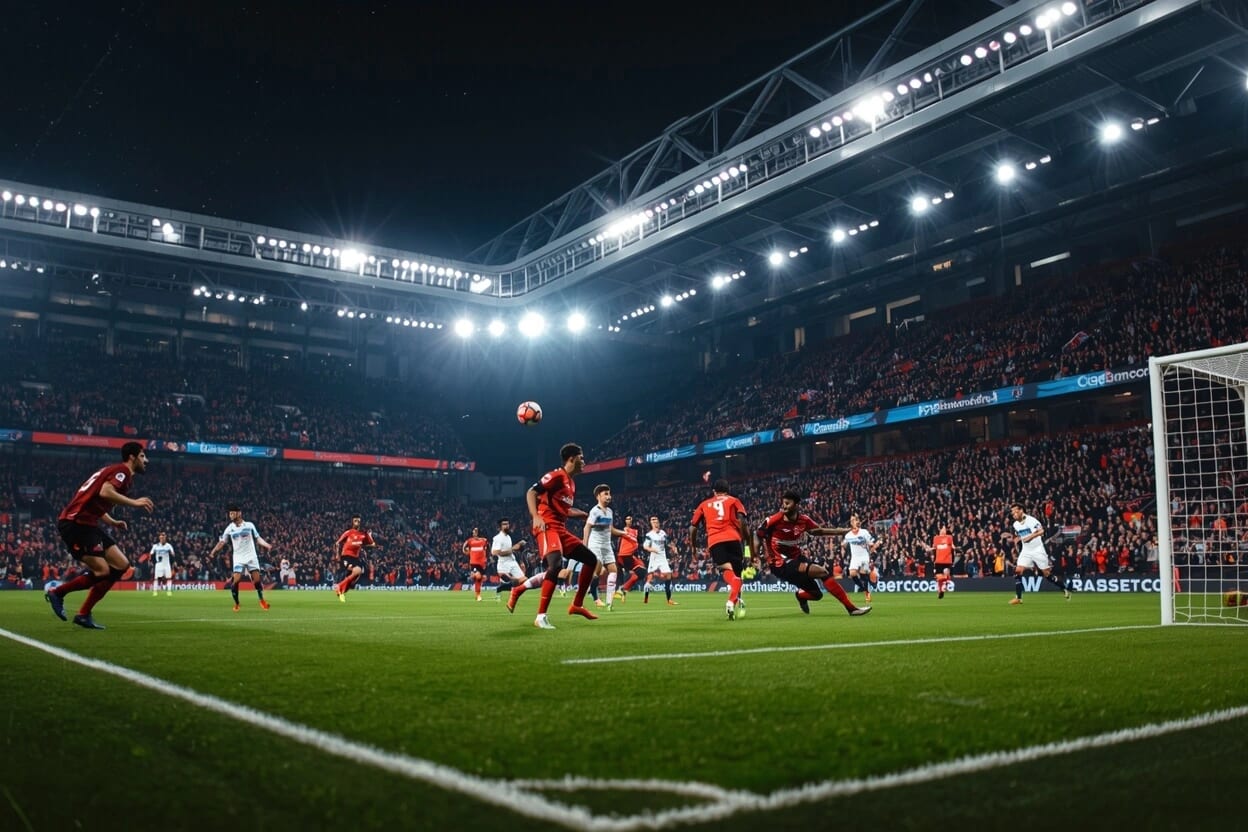

The Austria Bundesliga is the top tier of professional football in Austria and represents the highest level of domestic competition in the country. The league determines the national champion each season and also decides which clubs qualify for major European tournaments such as the UEFA Champions League, Europa League, and Conference League.
According to the latest technical analysis from EZTips, the modern version of the Austria Bundesliga began in 1974 when the Austrian football league system introduced the Bundesliga format. Today, the league features 12 clubs competing in a structured season that balances regular competition with a final championship race.
Over time, several clubs have helped shape the competitive identity of the bundesliga austria. Teams like Salzburg, Rapid Wien, Austria Wien, and Sturm Graz have historically been among the most recognized names in the austria bundesliga. In recent years, Salzburg has built a strong reputation for consistent performances and attacking football, which has allowed them to dominate many seasons of the bundesliga austria.
Another distinctive feature of the austria bundesliga is its role as a development league for emerging football talent. Austrian clubs invest heavily in youth academies and scouting networks, often producing young players who later move to larger European leagues. Because of this system, the bundesliga austria regularly introduces new players and evolving tactical approaches.
Understanding the background and structure of the austria bundesliga is important before making any austria league prediction, because the league’s competitive balance, club hierarchy, and development model all influence how each season unfolds.
How the Austria Bundesliga Season Works
To master your strategy for the Austria Bundesliga, you must look beyond the standard league table. The season is a two-act drama designed to maximize late-season tension and reward consistent performance through two distinct phases.
Because this league structure is so volatile, your choice of platform is critical. To ensure you have access to the best liquidity and "Points Halving" markets, we recommend using the best betting sites verified by the EZTips audit team
Phase 1: The Regular Season (22 Matchdays)
The campaign begins with 12 clubs competing in a classic double round-robin format. Each team faces every opponent once at home and once away. This 22-match stretch serves as the "qualifying" period that determines which half of the table a club will inhabit for the remainder of the year.
Phase 2: The Championship & Relegation Split
Once the 22nd matchday concludes, the league is bifurcated:
- The Championship Group (Top 6): These elite clubs compete in a 10-match sprint for the title and lucrative slots in the UEFA Champions League, Europa League, and Conference League.
- The Relegation Group (Bottom 6): The focus shifts to survival. The team finishing at the bottom of this group is relegated to the 2. Liga, while the top teams in this bracket can actually earn a back-door route into European playoffs.
The Technical Twist: The "Points Halving" Rule
The most defining feature of the Austria Bundesliga is that all points earned during the first 22 matches are halved (and rounded down) before the final 10 games begin.
- Example: If Red Bull Salzburg finishes the regular phase with 50 points, they enter the Championship Group with 25.
- Betting Impact: This rule effectively "resets" the field. A 10-point lead can vanish instantly, making the final sprint much more volatile. For those focusing on Austria league predictions, this is the moment to look for "Market Laggards" teams in top form who can now realistically overtake a leader whose lead has been mathematically slashed.
Bundesliga Betting Tips Today – Free Football Predictions
For today, April 27, 2026, the betting market is heavily focused on the fallout of Matchday 31 and the upcoming European semifinals.
- BBL Spotlight (Basketball): In the German Basketball Bundesliga, Bayern Munich hosts Rostock Seawolves today. Experts are backing Bayern Munich -14 on the spread (-112). Bayern has covered this line in 3 consecutive home games and is currently on a 4-game winning streak.
- European Midweek Look-ahead: In the Europa League, SC Freiburg travels to Braga this Thursday. Despite Freiburg’s inconsistent away form (2 wins, 2 draws, 2 losses in Europe), they remain a "Both Teams to Score" (BTTS) favorite, having scored in 8 of their last 9 fixtures.
- Relegation Watch: With Heidenheim and Wolfsburg struggling at the bottom, betting against these sides in the "Double Chance" market or backing their opponents on the "-1 Asian Handicap" has been a profitable trend for Matchday 31.
Bundesliga Predictions: Popular Betting Markets
The Bundesliga is statistically the highest-scoring major league in Europe (averaging 3.2 goals per match this season). Professional bettors at EZTips focus on these three high-liquidity markets:
- Over 2.5 & 3.5 Goals: With Bayern Munich breaking the all-time scoring record (surpassing 101 goals) this season, the "Over" market is the safest technical play. Bayer Leverkusen and Eintracht Frankfurt have also contributed to high-scoring thrillers like their recent 4-6 result.
- Anytime Goalscorer (Harry Kane): Kane has netted 33 goals this season. While his odds are often short (around 1/25), pairing a Kane goal with a Bayern win in a Bet Builder is the preferred strategy for maximizing ROI.
- To Be Relegated: The market for the drop is currently at a fever pitch. Heidenheim (1/100) is the heavy favorite to go down, while Wolfsburg (1/4) and St. Pauli (2/5) are locked in a desperate battle. There is significant value in "Relegation Treble" parlays.
Recommendations of the Best Bundesliga Betting Experts
To consistently outshine the bookmakers, we recommend following the verified experts and tools featured on the EZTips dashboard:
- Ronan Murphy (Oddspedia): A resident German football specialist known for deep tactical previews and identifying "value" in DFB Pokal and Bundesliga matchups.
- Kelly Strategy Models: Professional analysts at Sports4Cast utilize the Kelly Criterion to balance precision and risk, specifically identifying "Market Laggards" when odds don't reflect team fatigue from European midweek travel.
- Eduardo Siles: Expert host providing real-time injury updates and "Line Shopping" advice to help you find the best prices across multiple sportsbooks.
Best Betting Sites for Bundesliga Action
Maximize your 2026 season profits by utilizing the exclusive betting site offers from our trusted partners:
- Stake: The top choice for high-limit Bundesliga futures, offering a 200% Welcome Bonus up to 1,000 USDT.
- BetUS: Ideal for "Top Goalscorer" props and parlays, currently providing a 200% Bonus up to $4,000.
- Bovada: Excellent for live betting during high-scoring German fixtures, with a $750 Sports Welcome Bonus.
- Pari Match: A leader in international props, offering a 150% Bonus up to 1500 CAD for niche Bundesliga markets.
Teams That Define the Austria Bundesliga
The competitive landscape of the bundesliga austria is shaped by a small group of clubs that consistently influence the title race. While the austria bundesliga includes twelve teams each season, only a few organizations regularly challenge for the top positions and European qualification spots.
In recent years, Red Bull Salzburg has established itself as the dominant force in the bundesliga austria. The club combines aggressive attacking football with one of the strongest scouting systems in Central Europe. Salzburg frequently develops young players who later move to major leagues in Germany, England, and Italy. This model allows the club to refresh its squad while maintaining competitive strength, which helps ensure consistent title challenges.
Another important contender in the austria bundesliga is Sturm Graz. The club has become one of the most reliable challengers to Salzburg’s dominance. Strong defensive organization and disciplined tactical play allow Sturm Graz to compete effectively against more financially powerful opponents.
Traditional clubs also play a major role in the history of the bundesliga austria. Rapid Wien and Austria Wien represent two of the most recognized football institutions in the country. Both clubs have passionate fan bases and long domestic histories. Although recent seasons have seen fluctuating results, these teams still influence the balance of the austria bundesliga standings.
LASK Linz has also emerged as a competitive team capable of challenging for European positions. Their structured defensive approach and efficient counter-attacking style have allowed them to remain competitive within the bundesliga austria.
Understanding which clubs consistently compete at the top of the austria bundesliga helps ensure a clearer foundation for any austria league prediction, because historical performance and squad stability often shape how the season develops.
Playing Style and Goal Trends in Bundesliga Austria
One of the most distinctive characteristics of the bundesliga austria is the attacking nature of the matches. Compared with several other European leagues, the austria bundesliga often produces a higher number of goals per game. Recent seasons typically average between 2.8 and 3.1 goals per match, which places the league among the more offensive competitions in Europe.
A major reason for this trend is tactical philosophy. Many clubs in the bundesliga austria prefer an aggressive approach built around pressing and fast transitions. Teams frequently attempt to regain possession quickly after losing the ball. This style of play creates open spaces across the pitch and increases the number of scoring opportunities during a match.
Another factor influencing the style of the austria bundesliga is its emphasis on youth development. Austrian clubs regularly promote young players frohttps://eztips.com/best-sportsbook-offersm their academies, and these players often bring energy, speed, and attacking ambition to the league. Younger squads are more willing to play forward quickly, which helps ensure that matches remain dynamic and unpredictable.
The financial structure of the bundesliga austria also encourages clubs to develop and sell talented players. Because teams rely on developing future stars, attacking football becomes an effective way to showcase those players. As a result, the austria bundesliga frequently produces entertaining matches with multiple goal-scoring chances.
To capitalize on the high-scoring volatility of the Austrian league, you need a platform that rewards your strategy. Below are the premium sportbook offers and best betting sites verified by EZTips for the 2026 season
Understanding these patterns is important for anyone studying the league. Goal frequency, pressing intensity, and squad age profiles all influence how matches unfold. Analysts who consider these factors can ensure more accurate interpretations of league performance and build stronger insights when forming an austria league prediction within the bundesliga austria season.
Clubs Most Likely to Compete for the Austria Bundesliga Title
Competition in the bundesliga austria usually develops around a limited group of clubs capable of maintaining high performance over an entire season. Although twelve teams participate in the austria bundesliga, only a few organizations consistently combine financial resources, tactical organization, and squad depth strong enough to challenge for the championship. This competitive hierarchy has formed gradually and helps explain why certain teams remain near the top of the bundesliga austria standings year after year.
In recent seasons, Salzburg has become the most influential team in the austria bundesliga. Their strategy focuses on high-tempo attacking football supported by an advanced scouting network that identifies young talent early. These players are integrated into an energetic system built around pressing and quick forward movement. This approach helps ensure the club maintains competitive strength even when key players move to larger European leagues.
Another team that regularly competes near the top of the bundesliga austria table is Sturm Graz. The club has developed a reputation for strong defensive structure and disciplined positioning across the pitch. While their squad budget is smaller than Salzburg’s, tactical organization allows Sturm Graz to remain competitive throughout the austria bundesliga season and occasionally challenge for the title.
Rapid Wien continues to represent one of the most historically significant clubs in the bundesliga austria. Their stadium atmosphere and strong supporter culture create difficult conditions for visiting teams. Even during seasons when results fluctuate, Rapid Wien often influences the balance of the austria bundesliga standings and remains capable of competing for European qualification positions.
Austria Wien also plays a role in shaping the competitive landscape of the bundesliga austria. The club has a long domestic history and continues to invest in youth development programs that supply new players to the first team. This emphasis on academy development helps ensure that Austria Wien remains an important participant in the overall structure of the austria bundesliga.
Because the bundesliga austria splits into championship and relegation groups after the regular stage, the title race can shift quickly during the final phase of the season. Points are reduced when the split occurs, which keeps the competition tight. For analysts working on an austria league prediction, evaluating squad stability, tactical discipline, and late-season momentum helps ensure a clearer understanding of how the austria bundesliga championship race may unfold.
Key Players Influencing the Austria Bundesliga Season
The bundesliga austria often highlights players who later move to larger European leagues. Austrian clubs focus heavily on development, which means the austria bundesliga regularly introduces young footballers who quickly become central to their teams. Because of this environment, individual performances can significantly influence how the season progresses.
Attacking players usually attract the most attention in the bundesliga austria. Clubs rely on fast transitions and direct attacking movements, so forwards and creative midfielders frequently become decisive figures in matches. Goal scorers and playmakers help ensure teams remain competitive, especially during the championship phase when small point differences can determine the title race.
Midfield control is another factor shaping results across the austria bundesliga. Teams that maintain strong possession and organized build-up play often dictate the rhythm of matches. Midfielders who combine defensive awareness with passing accuracy allow clubs to manage pressure and create attacking opportunities throughout the bundesliga austria season.
Defensive stability also remains crucial. While the bundesliga austria is known for producing attacking football, teams that organize their defensive lines effectively tend to achieve consistent results. Central defenders and goalkeepers who maintain discipline during high-pressure moments help ensure that clubs remain competitive across the long austria bundesliga campaign.
Individual player form therefore becomes an important factor when analyzing the league. Squad depth, emerging talent, and experienced leaders all influence team performance. Evaluating these elements helps ensure a clearer understanding of how matches may unfold and strengthens any austria league prediction built around the competitive structure of the bundesliga austria.
Statistical Indicators Used to Analyze Austria Bundesliga Performance
Raw standings never tell the full story in the bundesliga austria. A team can win two matches in a row and still look shaky underneath. That is why deeper metrics matter. They help explain whether results in the austria bundesliga are sustainable or just a short burst of form.
One of the most useful indicators is expected goals, or xG. It measures the quality of chances rather than just the final score. In the bundesliga austria, teams with strong xG numbers usually create pressure more consistently, attack better central zones, and spend more time forcing defenders into mistakes. That gives a clearer picture than goals alone, because finishing can run hot one week and cold the next.
Shot volume also matters, but only when paired with shot quality. A club taking 18 weak efforts from poor angles is not necessarily more dangerous than a side creating 9 cleaner chances. In the austria bundesliga, pressing teams often inflate shot counts, so the smarter question is simple: where are those shots coming from, and how often do they test the goalkeeper? Possession share, passes into the final third, and defensive recoveries add another useful layer because they show who is controlling territory instead of just chasing the ball around.
When these indicators are read together, they give a far more useful view of performance in the bundesliga austria. That is where this page becomes different from a standard stats page. Instead of just listing numbers, we explain what they suggest about control, pressure, and repeatability. That makes any austria league prediction more grounded and far less guesswork.
Future Outlook for the Austria Bundesliga
The future of the bundesliga austria looks strongest when viewed through one word: development. The austria bundesliga has built a clear identity as a competition where young players get real minutes, clubs refine tactical discipline, and strong prospects move on to bigger leagues. That is not a weakness. It is the model. It helps ensure the league stays relevant, competitive, and commercially sensible even without the spending power of Europe’s richest competitions.
Another reason the bundesliga austria remains interesting is its format. The split after the regular phase keeps the title race and lower-table battle alive longer than in many standard league structures. Small gaps can disappear quickly. Late momentum matters. Squad depth matters. Coaching decisions matter even more once the margin for error shrinks. That gives the league a unique tension that simple fixture pages do not explain well.
Looking ahead, clubs that combine academy development, smart recruitment, and tactical clarity will continue to shape the bundesliga austria. That is the real long-term story. Not just who sits first today, but which teams build systems that survive player sales and seasonal swings. That perspective adds something new, and it helps ensure any austria league prediction is based on structure rather than noise.
Key Takeaways from the Austria Bundesliga Season
The bundesliga austria occupies an interesting position within European football. The austria bundesliga may not operate with the same financial scale as the largest leagues, but its structure and competitive balance make it an important development competition. The league’s split format keeps the title race and relegation battle alive deep into the season, which helps ensure that matches remain meaningful even during the final rounds.
Another defining strength of the bundesliga austria is its commitment to player development. Austrian clubs regularly promote young players into senior squads, giving emerging talent the opportunity to grow quickly through competitive matches. Because of this model, the austria bundesliga continues to supply players to larger European leagues while maintaining a dynamic domestic competition. When analysts evaluate long-term trends, understanding these structural elements helps ensure that any austria league prediction reflects how the bundesliga austria actually evolves across a season.
Last Updated:27th April,2026
Frequently Asked Questions
More blogs




Football Blogs