
Sports Betting in Wisconsin: What Players Should Know

If you’re searching sports betting in Wisconsin, chances are you’re not looking for hype. You want clarity. Can you legally place a wager? If yes, where? If not, why does Wisconsin feel stuck while neighboring states move forward?
Wisconsin’s situation is unique in the US sports betting landscape. While dozens of states rushed to legalize mobile sportsbooks after the fall of PASPA in 2018, Wisconsin followed a narrower, slower route shaped by tribal gaming agreements, state law, and political caution. That has created a market where sports betting exists, but access is controlled, location-specific, and often misunderstood. Much of that confusion starts with terminology, and this guide on wagering meaning clearly explains what a wager is, how wagering works, and why definitions matter legally.
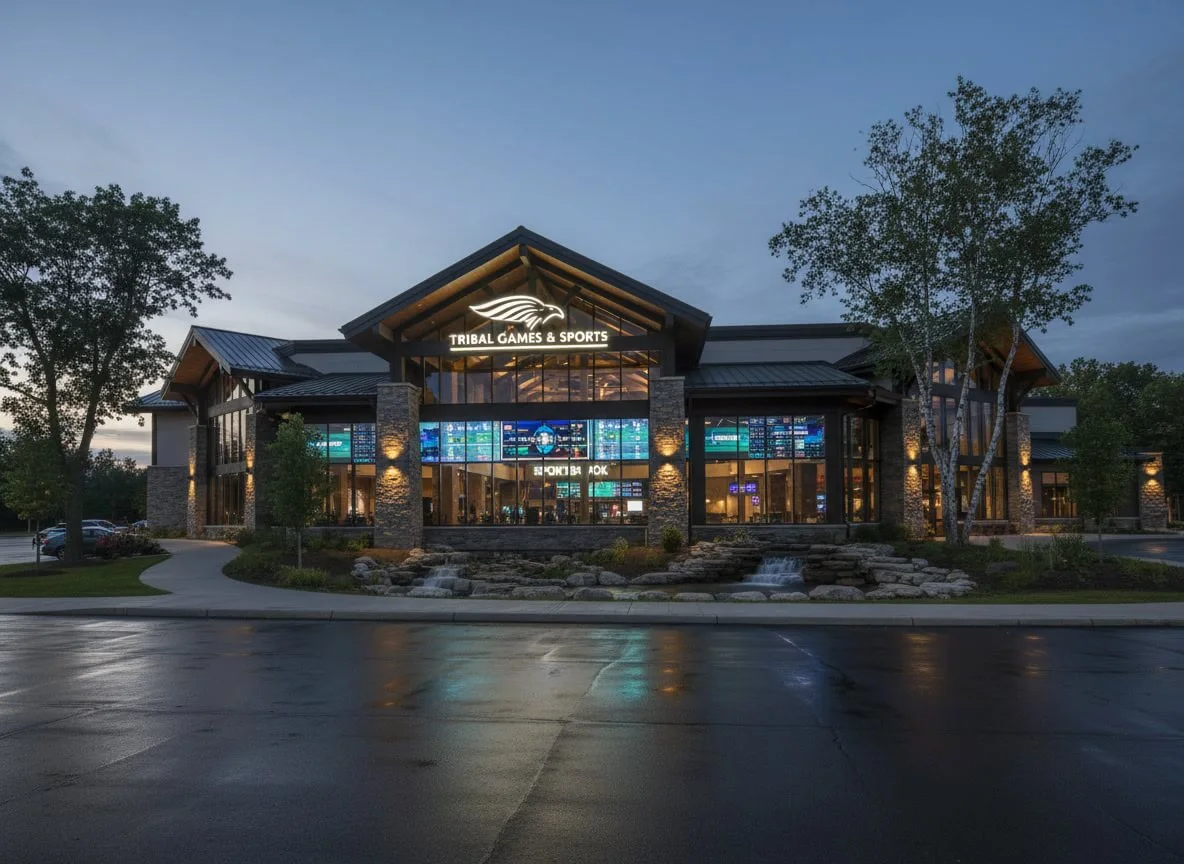
As of 2025, sports betting in Wisconsin is legal only in limited, in-person forms, primarily at tribal casino locations operating under state–tribal gaming compacts. There is no broad statewide online or mobile sports betting market comparable to Illinois, Michigan, or New York.
This guide explains how Wisconsin arrived here, what bettors can realistically do today, and how to ensure they stay legal, informed, and disciplined. If you’re serious about betting—or even just curious—this context matters. Treating it casually is how mistakes happen, and mistakes with money rarely stay small. Those mistakes often start with misunderstood bonus rules, which is why this breakdown of wagering requirements explains how playthrough conditions work before withdrawals are allowed.
The short version: Is sports betting legal in Wisconsin?
Yes—but with important limits.
Wisconsin allows retail (in-person) sports betting at certain tribal casinos, depending on the terms of each tribe’s gaming compact with the state. These compacts define what types of wagering are allowed and where they can take place.
What Wisconsin does not currently allow:
- No statewide mobile sports betting apps
- No commercial sportsbook operators licensed by the state
- No betting from home unless physically located on approved property
What Wisconsin does allow:
- Sports betting inside approved tribal casino facilities
- Wagering formats defined by compact agreements
- Casino-managed sportsbook environments
This framework is unique because it relies on negotiated agreements rather than a blanket statewide authorization. Understanding that difference is the first step to understanding everything else.
Why Wisconsin sports betting works differently than most states
Most states that legalized sports betting after 2018 followed a familiar pattern: the legislature passed a law, regulators issued licenses, commercial sportsbooks launched apps, and competition followed.
Wisconsin did not take that path.
Instead, gambling activity in Wisconsin has long been governed by state–tribal gaming compacts. These compacts are negotiated agreements that specify what kinds of gambling activities tribes may offer and under what conditions. Sports betting was added through amendments rather than through a new commercial licensing system.
This matters because:
- The state does not act as a sportsbook regulator in the commercial sense
- Expansion requires negotiation, not just legislation
- Betting permissions are tied to location and processing, not just user identity
The result is a controlled environment where betting exists, but scale and convenience are intentionally limited. From a policy standpoint, this reflects caution. From a bettor’s standpoint, it explains why Wisconsin feels “behind” despite clear demand.
To ensure you’re operating legally, remember this rule:
In Wisconsin, legality is determined by where and how the wager happens—not just by who offers it.
Retail sportsbooks in Wisconsin: what “in-person only” really means
Retail sportsbooks in Wisconsin operate inside specific tribal casinos. This is not symbolic—it’s structural.
When you place a bet at one of these locations:
- The wager is accepted on site
- The transaction is processed under compact authority
- Oversight follows casino and compact rules
What you can typically bet on
While offerings vary by location, retail sportsbooks usually include:
- Moneyline bets
- Point spreads
- Totals (over/under)
- Parlays
- Futures (season-long outcomes)
Some casinos offer more depth than others. Expect variation in market size, betting limits, and menu sophistication.
What you should not assume
Do not assume:
- Every tribal casino offers sports betting
- Every sportsbook offers the same leagues or bet types
- Retail sportsbooks function like large national apps
Wisconsin’s retail sportsbooks are not trying to mirror Las Vegas or New Jersey. They exist to offer legal wagering within defined boundaries.
Why mobile betting is the central issue in Wisconsin
For bettors comparing limited retail access with modern alternatives, this comparison of crypto betting vs traditional bookmakers shows how technology, access, and regulation differ across platforms.The biggest frustration among Wisconsin bettors is not legality—it’s access.
Driving to a casino to place a bet is workable for occasional wagering, but it doesn’t fit how modern sports betting actually functions. Live betting, line shopping, and market timing all rely on mobile access. Without that, Wisconsin bettors operate at a disadvantage.
That’s why online betting proposals have focused on one key concept: remote betting with wagers processed on tribal land.
In 2025, lawmakers seriously debated bills built around this idea. The concept aimed to preserve compact authority while expanding access. However, legal uncertainty and political resistance slowed progress.
The takeaway is not that Wisconsin rejected mobile betting outright, but that how to legalize it remains unresolved.
What would need to change for statewide mobile betting
Unlike states that can authorize betting through standard legislation, Wisconsin faces additional hurdles.
Some legal analyses suggest that allowing betting statewide—even if processed on tribal servers—could require a constitutional amendment. That process is lengthy and involves:
- Legislative approval across multiple sessions
- A public statewide vote
This makes Wisconsin’s path slower and more complex than most states. It also explains why incremental progress matters more here than sweeping promises.
From a bettor’s perspective, this means expectations should be realistic. Mobile betting may come, but it will arrive through structure, not shortcuts.
Daily fantasy sports in Wisconsin
Daily fantasy sports (DFS) occupy a different legal category and are often misunderstood.
Wisconsin has not passed a comprehensive DFS statute. However, DFS contests have historically operated under the argument that they are games of skill, not chance. That distinction has allowed major DFS platforms to operate without direct prohibition.
Important context:
- DFS legality is not the same as sportsbook legality
- Skill-based classification matters, but formats vary
- Some DFS contests resemble prop betting more than fantasy
Practical advice for DFS participants
If you play DFS in Wisconsin:
- Stick to platforms that clearly list Wisconsin eligibility
- Read contest rules carefully
- Avoid formats that mimic direct sportsbook wagers
This approach helps ensure you stay within acceptable boundaries while still participating in fantasy contests.
Betting on Wisconsin teams: popularity vs value
Wisconsin bettors naturally gravitate toward local teams. That’s human. But it’s also expensive.
The most commonly bet teams include:
- Green Bay Packers
- Milwaukee Bucks
- Milwaukee Brewers
- Wisconsin Badgers
The issue isn’t fandom—it’s pricing.
Public teams attract heavy betting volume, which often inflates lines. This means you frequently pay a premium to back popular teams, especially in nationally televised games or rivalry matchups.
Smart bettors separate loyalty from logic. The utmost mistake is assuming familiarity equals value. It rarely does.
Core bet types Wisconsin bettors must understand
Even if your betting activity is limited to retail sportsbooks, fundamentals matter.
Moneyline bets
You’re betting on who wins. Favorites carry negative odds, underdogs carry positive odds. The simplicity hides pricing risk. Big favorites win often but pay poorly.
Point spreads
Spreads level the playing field. This is where pricing accuracy matters most and where disciplined bettors focus their attention.
Totals
Over/under bets are influenced by pace, weather, injuries, and game context. They reward research more than allegiance.
Parlays
Parlays combine multiple bets into one ticket. They offer higher payouts but significantly lower probability. They are popular—and profitable for sportsbooks.
Being selective here is one of the unique ways disciplined bettors protect long-term results.
Managing a bankroll in a limited-access state
Limited access doesn’t mean limited responsibility. In fact, it increases the need for discipline.
Practical bankroll principles
- Use a flat stake size
- Set weekly or monthly loss limits
- Never increase bet size to chase losses
- Keep betting funds separate from personal finances
Tracking bets is not optional if you want clarity. A basic spreadsheet is enough. Most bettors skip this step, which is exactly why most bettors can’t tell whether they’re winning or losing.
Treat your bankroll with the utmost seriousness. It’s not entertainment money once it leaves your pocket.
Timing, pricing, and patience
In states with multiple apps, bettors can shop lines instantly. Wisconsin bettors often can’t. That makes timing more important.
Retail sportsbooks adjust lines more slowly, which creates both risks and opportunities. Knowing when lines typically move—after injury news, weather updates, or betting volume shifts—can help you make better decisions.
Patience matters. You don’t need action on every game. Passing is a skill.
Taxes and record-keeping
Sports betting winnings are taxable at the federal level. Even casual bettors should keep basic records.
At minimum, track:
- Date of wager
- Amount wagered
- Odds
- Outcome
This isn’t exciting, but it helps ensure you avoid confusion later. Waiting until tax season to reconstruct betting history is how small problems grow.
Avoiding illegal and offshore platforms
Wisconsin’s limited legal access makes residents targets for questionable platforms promising easy access.
Red flags include:
- Guaranteed profits
- No identity checks at all
- Unclear withdrawal policies
If a platform sounds too convenient compared to regulated options, there’s usually a reason. Protecting your information and funds should always outrank convenience.
Responsible betting is not optional
Sports betting is not risk-free. Treating it casually leads to predictable outcomes.
Responsible habits include:
- Betting with a clear plan
- Knowing when to stop
- Avoiding emotional decisions
- Seeking help if betting stops being controlled
The utmost goal is sustainability. If betting creates stress instead of enjoyment, something is wrong.
Where Wisconsin stands right now
Wisconsin sits in a middle ground. Sports betting exists, but access is narrow. Demand is clear, but expansion is deliberate. Tribal agreements remain central, and any meaningful change will come through structured legal steps.
For bettors, this means operating within limits while staying informed. For policymakers, it means balancing expansion with existing frameworks. For everyone involved, it means recognizing that Wisconsin’s approach is unique, not accidental.
Putting it all together
Sports betting in Wisconsin is not about shortcuts or workarounds. It’s about understanding a system built on compacts, location-based legality, and cautious expansion.
If you want to participate responsibly:
- Know where betting is legal
- Understand why access is limited
- Manage your bankroll carefully
- Avoid unregulated platforms
Do that, and you ensure your experience stays legal, controlled, and aligned with reality. Wisconsin may move slowly, but clarity and discipline still give bettors an edge—one that matters far more than convenience in the long run.
Frequently Asked Questions
Sports Betting Blogs

Wagering Meaning: What Does Wagering Mean in Betting and Gambling?
. 23 Sept 2025

Unpacking the Odds: What 'Over 2.5 Goals' Means for Your Football Bets
. 03 Oct 2025

Mastering the Under 2.5 Goals Betting Strategy
. 06 Oct 2025

Understanding the "Both Teams to Score" (BTTS) Market: A Comprehensive Guide
. 08 Oct 2025