La Liga Winners by Year: The Last 20 Seasons Explained With Real Meaning
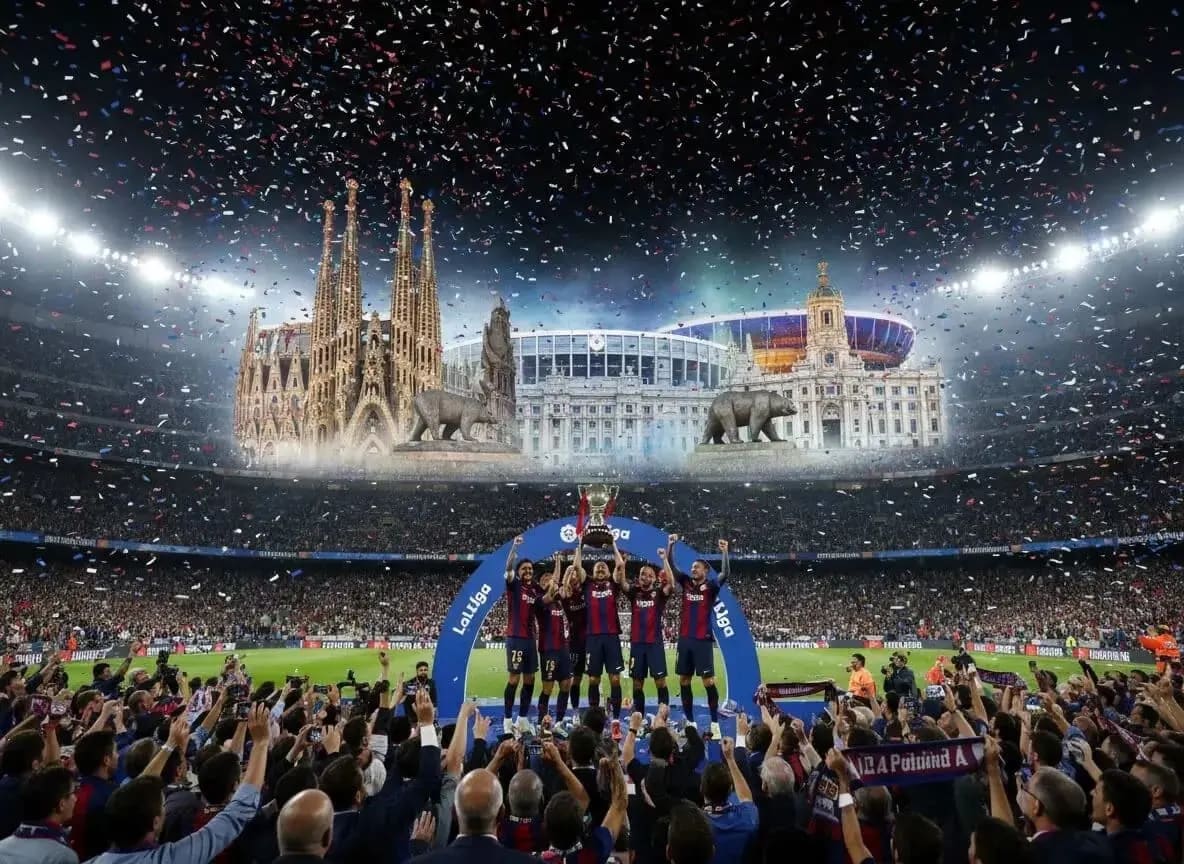

Football fans love arguing about greatness. It happens everywhere — bars, group chats, random Twitter threads that start friendly but end with someone posting screenshots of xG tables from 2011. Yet there’s one thing that settles almost every debate: trophies. Winning La Liga is never simple, and the last 20 seasons show exactly how tight, how intense, and how unpredictable Spanish football can be. While title races grab headlines, tracking La Liga relegation odds reveals how pressure at the bottom of the table shapes the league just as dramatically over long seasons.
But here’s the interesting part — when you study these years closely, patterns jump out. They help you understand which clubs bring consistency and which ones shape their seasons with momentum and timing. That’s where Eztips becomes a lifesaver. It helps readers cut through noise and focus on facts that actually matter, giving fans and bettors a unique way to read long seasons without confusion.
Across these two decades, you see clear identity shifts, tactical growth, superstar cycles, and managers who shaped eras. Those same long-term patterns also appear in individual scoring markets, where consistency across seasons often defines the Scottish Premiership top scorer race — analysed in depth here: Scottish Premiership Top Scorer . And the more you dig, the clearer the long-term story becomes.
Let’s go through all 20 winners, highlight what powered those seasons, and pull out insights that explain Spanish football in a sharper way.
La Liga Winners (Last 20 Years) — With Key Context
2025–26: Currently in Progress (April 2026)
As of today, Barcelona holds a 7-point lead at the top of the table with only 8 matches remaining. Their consistency throughout the spring ensures that the title race is theirs to lose. For those looking for the utmost value in live markets, tracking their defensive stability is key.
2024–25: Barcelona
Hansi Flick’s debut season was a masterclass in modernizing the club’s identity. Moving away from slow possession, they utilized a lethal, vertical attack led by Lamine Yamal and Robert Lewandowski. Winning the title with two rounds to spare, this season was a unique example of how tactical discipline and physical conditioning can disrupt a rival’s dominance.
2023–24: Real Madrid
Madrid leaned on young stars like Jude Bellingham while still relying on experienced leaders. They finished strong by controlling big matches and showing calm under pressure, a theme that helped them secure the league with confidence.
2022–23: Barcelona
Barcelona rebuilt around youth and defensive improvement. They allowed only 20 goals, their best number in years. It was a season powered by structure and short passing play that supported their young midfield.
2021–22: Real Madrid
Karim Benzema delivered one of his finest years. Madrid were sharp in transitions and sealed the title early, showing maturity in tight away games.
2020–21: Atlético Madrid
Atlético’s discipline returned at full strength. They finished with La Liga’s strongest defensive record and survived late-season pressure thanks to Luis Suárez’s goals.
2019–20: Real Madrid
Madrid surged after the league restart, winning 10 straight matches. Their defensive shape tightened, giving them a stable platform to finish above Barcelona.
2018–19: Barcelona
With Messi in glowing form, Barcelona pushed through a challenging season by controlling the ball and scoring consistently. Their attacking trio played with remarkable chemistry.
2017–18: Barcelona
Barcelona lost Neymar the year before, but their balance improved. Messi and Suárez led an attack that rarely stalled, helping them finish with a dominant points tally.
2016–17: Real Madrid
Zinedine Zidane managed rotations smoothly. Madrid scored in every league match and finished with elite consistency.
2015–16: Barcelona
Barcelona’s forward trio — Messi, Suárez, and Neymar — delivered huge numbers. Their link-up play produced some iconic displays.
2014–15: Barcelona
This was one of Barcelona’s cleanest seasons under Luis Enrique. Their balance between attack and defensive organisation placed them above the competition.
2013–14: Atlético Madrid
A remarkable season. Atlético broke the long streak of the big two. Their strong defensive work and lethal counter-attacks shaped an unforgettable title campaign.
2012–13: Barcelona
A clear league win with over 100 points. Their controlled passing game and pressing helped them finish above a strong Madrid squad.
2011–12: Real Madrid
Madrid hit 121 goals — a league record at the time. Cristiano Ronaldo led an attack that felt unstoppable for long stretches.
2010–11: Barcelona
Barcelona had an extraordinary midfield that controlled nearly every match. Their positional play was almost flawless.
2009–10: Barcelona
Guardiola’s second season maintained strong momentum. Their defensive numbers stood out as much as the passing combinations.
2008–09: Barcelona
The start of the treble era. Barcelona played with rhythm, quick passes, and produced some of the most memorable wins in Spain.
2007–08: Real Madrid
Madrid won with authority. Raúl and Van Nistelrooy brought strong leadership in attack.
2006–07: Real Madrid
This season saw Madrid pull off a late comeback in the title race, winning crucial matches down the stretch.
2005–06: Barcelona
Ronaldinho was at his peak. Barcelona played expressive football and swept through many opponents.
2004–05: Barcelona
The season that signaled Barcelona’s new direction. A young Messi was emerging, and the squad built strong chemistry.
The 2025–26 Title Race & Current Momentum
While the history of the last 20 years belongs to the "Big Two," the current 2025–26 campaign is proving that consistency is the only way to survive in Spain. As of April 2026, Barcelona sits at the top of the table with 76 points, holding a seven-point lead over Real Madrid.
The Current "Best Bet" Signal The best betting site algorithms are currently favoring a Barcelona repeat. Why? Because Hansi Flick has maintained a defensive floor that rarely breaks, conceding fewer than one goal per match. If you’re looking for a bets offer to use on the final stretch of the season, the "Under 2.5 Goals" market for Barcelona’s remaining away games offers a unique way to leverage their disciplined style.
How the Title Race Shifted Across These Two Decades
One thing stands out from all these winners: the cycle of dominance kept shifting. Barcelona had long runs, Madrid bounced back frequently, and Atlético proved they could break through with discipline. The power balance moved in waves, each shaped by unique pressures of each era.
Barcelona’s control-heavy era
From 2004 to around 2013, they brought a clear identity. Their passing rhythm, youth development, and strong midfield partnerships brought unmatched control. Fans often assume titles come only from attack, but Barcelona proved that controlling matches reduces chaos. It gives predictability — something bettors value heavily.
Real Madrid’s strategic bursts
Madrid never stayed silent for long. Their nine titles across these two decades came from balanced squads, experienced managers, and match-winners who thrived under stress. You cannot build long-term football analysis without appreciating how Madrid influence tempo and control key phases.
Atlético’s disciplined entries
Atlético’s identity is built differently. Organisation, effort, and shape powered their two title seasons. They offered fans something fresh: stability without needing the ball constantly. Many bettors found value in their reliability during tight matches.
What Separates Barcelona, Real Madrid, and Atlético Madrid?
Even though they’re the three major forces in Spain, each club wins in its own way.
Barcelona — control and chemistry
Barcelona grow their identity through possession. Their best seasons often came when their midfield dominated space and controlled tempo. That stability gave their forwards a strong base to create chances repeatedly.
Real Madrid — power and timing
Madrid’s strength comes from winning moments that matter. They excel in matches that require fast decisions and quick transitions. Their confidence in pressure situations is unique and gives them an edge in long seasons.
Atlético — structure and resilience
Atlético focus on limiting mistakes. Their lines stay compact and they strike with precision. In both title seasons, they allowed very few goals. That reliability provided bettors with an approach that rarely created surprises.
How La Liga Trends Help Bettors Today
Patterns help people read matches with more clarity. Applying the same pattern-based thinking to Italy, following live Serie A scores and match flow in real time on helps bettors confirm momentum, pressure phases, and tactical shifts as games unfold. Even if you don’t use hard data, understanding how clubs shape seasons leads to smarter decisions.
1. Defensive reliability is a strong title predictor
Across these 20 seasons, the champion often ranked in the top two for defensive record. If you want to ensure consistency in your picks, tracking defensive metrics brings utmost value.
2. Squad depth carries huge weight
Teams that rotate smoothly avoid fatigue dips. Madrid’s 2016–17 season is a perfect example — they spread minutes across the squad.
3. Midfield control shapes match stability
Barcelona’s strongest years showed how valuable it is to have midfielders who keep the ball. They helped maintain order in matches that might otherwise swing wildly.
4. Attack wins games but control wins seasons
The faster bettors understand this, the more unique their insights become. Eztips often highlights how structured teams outlast high-scoring but unstable squads.
5. Away performance reveals champions early
Teams that win tough road fixtures often carry that trend to the end.
Why Predictability Matters in Long Seasons
Fans love drama, but bettors love patterns. Long seasons reward teams that repeat strong habits week after week. When you track the last 20 La Liga winners, you see clear indicators:
- champions rarely concede many cheap goals
- champions typically have a core group playing together for years
- champions thrive in close matches
Predictability gives fans and bettors something valuable: a sense of control. No decision is perfect, but strong patterns make choices feel grounded.
Whenever I analyze long seasons, I remind myself that football works in cycles. Studying two decades shows how strength rotates between clubs, yet the underlying markers stay almost identical across champions.
A Deep Dive Into Era Transitions
2004–2009 — Barcelona’s Youth Core Emerges
This phase saw Barcelona build from inside. Their midfield dictated pace with quick passing. Their academy produced talent that shaped Europe for years.
2009–2013 — Technical Brilliance Reaches Its Peak
This period is often praised as Barcelona’s finest era. Their positioning, pressing, and movement created unmatched consistency.
2013–2016 — Atlético Interrupts the Cycle
This disruption forced analysts to rethink long-held ideas. Atlético proved control isn’t the only path to success. With strong organisation, they brought fresh tactics to the top.
2016–2021 — Madrid Showcase Their Strength
Madrid’s periods of dominance rang loud. Their adaptations to modern football helped them lift multiple trophies across competitions.
2021–2024 — Madrid Stay Steady While Barcelona Transition
This era displays two clear paths: Madrid stabilise with young players stepping up, and Barcelona rebuild after years of financial strain.
How Fans Can Read Seasons Better
Reading long seasons isn’t about memorising results. It’s about spotting habits:
- Does a club keep clean sheets regularly?
- Do they collapse after conceding?
- Do they rely on one star or spread contributions?
- Are away performances stable?
Fans who follow these markers enjoy seasons more because they can see shifts early.
This is where Eztips helps people find a unique viewpoint. It breaks matches into clear parts and highlights signals that help everyone make smarter choices.
The Three Clubs Through a Data Lens
Barcelona’s strong possession phase
Their average possession in peak years often hit 60% or more. That kept matches in their control and made outcomes easier to read.
Real Madrid’s goal contributions
Across several seasons, Madrid’s goals came from many positions. That balance helped them avoid heavy dips during injuries.
Atlético’s defensive strength
Their title-winning seasons featured fewer than 30 goals conceded. Few clubs achieve that level of consistency.
Unique Lessons From Studying These 20 Seasons
Studying data doesn’t need to feel overwhelming. Sometimes it’s about understanding that teams repeat habits. When I break these years down, I always see the same things:
- structured teams handle pressure better
- strong defence supports long campaigns
- clear identity beats chaotic styles
You don’t need extreme data models to see value in this. A clean look at 20 seasons shows how clubs build their success.
When fans appreciate these patterns, they enjoy Spanish football more. They feel empowered watching matches with clarity. And that’s where long-term understanding comes alive.
Frequently Asked Questions
More blogs




Football Blogs