Buy Low RB Fantasy Strategy That Actually Works
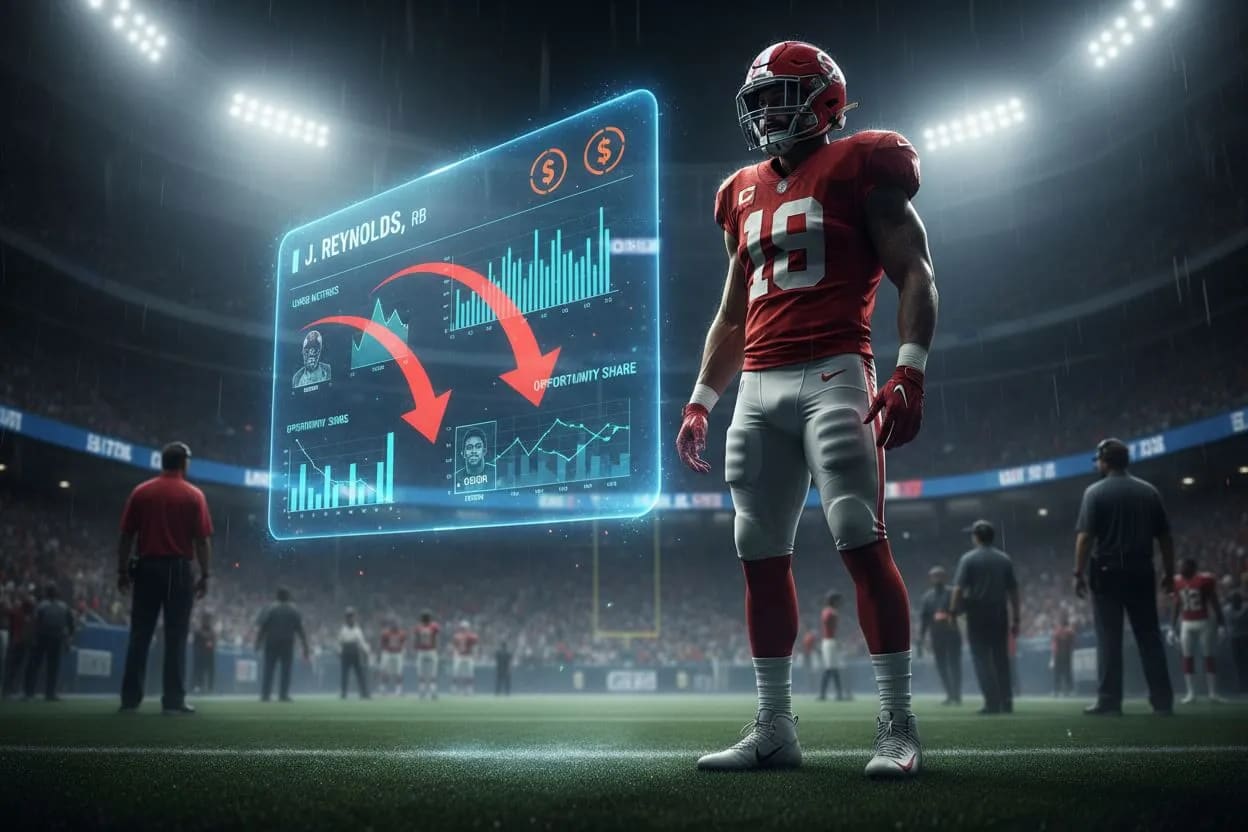

If you’ve played fantasy football for more than one season, you’ve seen this movie before. A running back posts two ugly stat lines. Panic spreads. Trade offers fly. That’s the exact moment smart managers lean in. The buy low RB fantasy approach isn’t about guessing breakouts or chasing box scores. It’s about understanding how value really moves at the running back position—and exploiting the gap between perception and reality.
Running backs lose value faster than any other fantasy asset. That volatility is frustrating for some managers. For disciplined ones, it’s a unique edge. This EZTips guide breaks down how to spot discounted RBs, when to strike, and how to avoid the traps that ruin otherwise sound trades. Everything here is built to ensure you’re acting with intent, patience, and the utmost clarity.
Why Running Backs Create the Best Buy-Low Windows
Running backs sit at the center of fantasy chaos. Touches fluctuate. Injuries pile up. Game scripts swing weekly. All of that feeds emotional decision-making.
Here’s a simple fact: fantasy managers overreact to RB performance more than any other position. Wide receivers can post three bad weeks and keep their trade value. Running backs can’t. One missed game or one goal-line vulture, and the market shifts.
Another fact worth knowing. Over the last decade, RB fantasy scoring has shown higher week-to-week variance than WR scoring, even among top-12 finishers. That variance fuels panic. Panic fuels discounts.
Running backs are also judged harshly by raw points. A 14-carry, 4-target game with no touchdown looks bad in the box score. In reality, that usage profile predicts production far more reliably than last week’s fantasy total.
That gap—between usage and results—is where buy-low value lives, and it’s unique to the running back position. The same perception gap exists in wagering markets, and this crypto NFL betting guide explains how sharp bettors exploit mispricing driven by short-term outcomes.
What “Buy Low” Actually Means for Running Backs
Let’s clear something up early.
Buying low does not mean buying bad players.
It does not mean buying backups with no role.
It does not mean hoping a random breakout saves your roster.
Buying low means acquiring mispriced opportunity.
A buy-low RB is a player whose role, health outlook, or usage points toward future production, while recent results have pushed market value down. That’s it.
Think in terms of inputs, not outcomes. That principle mirrors how team identity shapes betting edges, which is explored in detail in this NFL team identity betting value breakdown.
- Touches matter more than yards.
- Routes matter more than receptions.
- Red-zone usage matters more than touchdowns.
Fantasy football rewards results, but trades are won by predicting what comes next. The utmost mistake managers make is paying for points that already happened instead of securing volume that hasn’t paid off yet.
The Buy-Low RB Archetypes That Repeat Every Season
You don’t need new ideas every year. The same patterns show up again and again. Spot the archetype, and you’ll spot the opportunity.
The Injury Dip RB
An RB misses time. Managers hate uncertainty. Even when a return is clearly coming, fear drives sell-offs.
Historically, starting RBs returning from short-term injuries regain 80–90% of pre-injury usage within two games if no structural damage occurred. The market almost never prices that correctly.
The key here is timing. The discount exists before the return, not after the first productive game.
The Bad Matchup Hangover RB
A running back faces elite run defenses in back-to-back weeks. Efficiency tanks. Fantasy points drop. Usage stays intact.
This archetype is gold because nothing is actually broken. The schedule simply lied to the box score.
Savvy managers look ahead, not backward. Upcoming defensive matchups matter far more than last week’s yards per carry.
The Touchdown-Starved RB
Touchdowns are noisy. A starting RB can go three weeks without scoring despite strong red-zone usage. That creates frustration.
Here’s the fact most managers ignore: red-zone carries are more predictive than touchdowns themselves. If the role remains, the points usually follow.
This archetype produces some of the cleanest buy-low deals of the season.
The Timeshare Misread RB
Timeshares scare people. Sometimes they should. Sometimes they shouldn’t.
Not all splits are equal. A 60/40 snap split with goal-line and passing-down work is far more valuable than a “starter” losing high-leverage touches.
When perception screams “committee,” value often drops below reality in a unique way that only RB usage creates.
Usage Signals That Matter More Than Fantasy Points
If you want to ensure long-term success with buy-low RBs, you need to stop staring at final scores.
These signals matter more.
Snap share trends
Is the player’s role growing, shrinking, or stable? One bad game doesn’t matter if snaps hold steady.
Route participation
RBs who run routes have safer weekly floors. Targets are harder to defend than carries.
Red-zone involvement
Goal-line usage drives ceiling outcomes. Even two red-zone carries per game can swing weeks.
Two-minute usage
This signals trust. Coaches don’t rotate backs randomly in high-leverage moments.
Here’s a concrete stat: running backs who average 15+ touches and 3+ targets per game finish as RB2s or better at a high rate over the remainder of a season—even when early fantasy totals disappoint.
That’s not hype. That’s math.
Redraft vs Dynasty Buy-Low RB Strategy
This is where many managers get burned.
Redraft Buy-Low Logic
In redraft, time is limited. Value comes from immediate or near-term opportunity.
You should prioritize:
- Clear weekly roles
- Favorable upcoming schedules
- Short injury timelines
Age does not matter here. Neither does contract length. Points win weeks. Weeks win leagues.
Dynasty Buy-Low Logic
Dynasty flips the script.
Age curves matter. Contract security matters. Market sentiment matters more than weekly finishes.
In dynasty, the best buy-low RBs are often:
- Productive backs approaching age cliffs
- Injured starters with multi-year deals
- Players temporarily blocked by short-term depth
The utmost mistake dynasty managers make is treating running backs like wide receivers. RB windows are shorter. That’s exactly why value swings harder—and why disciplined buying still works.
Timing the Buy-Low Window During the Season
Timing isn’t everything. But it’s close.
The best moments to buy low on RBs tend to cluster around predictable stress points.
After prime-time failures
Nothing fuels overreaction like a nationally televised dud.
During bye weeks
Managers hate staring at zeros. They make impatient trades.
Right after injury news breaks
Before clarity arrives, fear dominates pricing.
Before soft schedule stretches
Once production rebounds, the discount disappears.
The market adjusts slowly. Your job is to move faster—but not recklessly.
Trade Psychology Most Fantasy Managers Never Acknowledge
Fantasy trades are emotional. Pretending otherwise is a leak.
Managers hate feeling wrong. They hate holding assets that look bad. They love relief trades.
Loss aversion plays a huge role here. A manager who drafted an RB early feels the pain of underperformance more sharply than the joy of future upside.
That’s where leverage lives.
You don’t need to “win” the trade calculator. You need to solve the other manager’s discomfort.
Present trades as exits, not gambles. Ensure your offers feel safe, clean, and easy to accept.
That’s how buy-low deals actually get done.
What to Offer When Buying Low on RBs
Execution matters as much as analysis.
Successful buy-low offers share a few traits.
They:
- Address roster needs
- Offer perceived stability
- Avoid obvious fleecing
Wide receiver depth often trades up well because WR scoring feels safer week to week. Packaging two usable pieces can outperform one flashy name in trade negotiations.
Avoid anchoring on value charts. Use them quietly. Let the other manager feel like they’re regaining control.
The goal isn’t dominance. It’s efficiency.
Common Buy-Low RB Mistakes That Kill Value
Even sharp managers stumble here.
Buying too late
Once production returns, the discount is gone.
Confusing cheap with valuable
Low cost doesn’t equal upside.
Ignoring playoff schedules
Late-season matchups decide leagues.
Falling in love with sunk costs
Detach emotion from prior opinions.
The utmost discipline is knowing when not to trade.
How to Spot the Next Buy-Low RB Before the Crowd Reacts
This is where preparation pays off.
Watch for:
- Snap increases without scoring spikes
- Expanded passing-down roles
- Coaches trusting a back in high-leverage spots
- Usage stability during losses
These signals appear before fantasy points follow.
The market reacts to outcomes. You should react to indicators. That same mindset applies when evaluating league-wide strength, and this best NFL teams 2025 analysis highlights where perception still lags reality.
That difference—small but consistent—is what compounds over seasons.
A Simple Buy-Low RB Checklist You Can Reuse Every Year
Before making an offer, walk through this quickly:
- Is the role stable or improving?
- Is health trending positively?
- Are upcoming matchups neutral or favorable?
- Is market sentiment worse than reality?
- Does the offer solve the other manager’s problem?
If most answers are yes, the trade is probably sound.
No hype required. Just structure.
Fantasy leagues don’t reward patience alone. They reward timed patience. Running backs test confidence more than any position, which is exactly why the buy-low approach keeps working year after year. Stick to process. Ignore noise. Ensure your decisions are rooted in usage, timing, and psychology. Do that consistently, and the edge compounds—quietly, predictably, and with unique staying power built on the utmost discipline.
Frequently Asked Questions
More blogs

Wagering Meaning: What Does Wagering Mean in Betting and Gambling?
23 Sept 2025

Unpacking the Odds: What 'Over 2.5 Goals' Means for Your Football Bets
03 Oct 2025

Mastering the Under 2.5 Goals Betting Strategy
06 Oct 2025

Understanding the "Both Teams to Score" (BTTS) Market: A Comprehensive Guide
08 Oct 2025
Sports Betting Blogs
Mastering the Under 2.5 Goals Betting Strategy
. 06 Oct 2025